
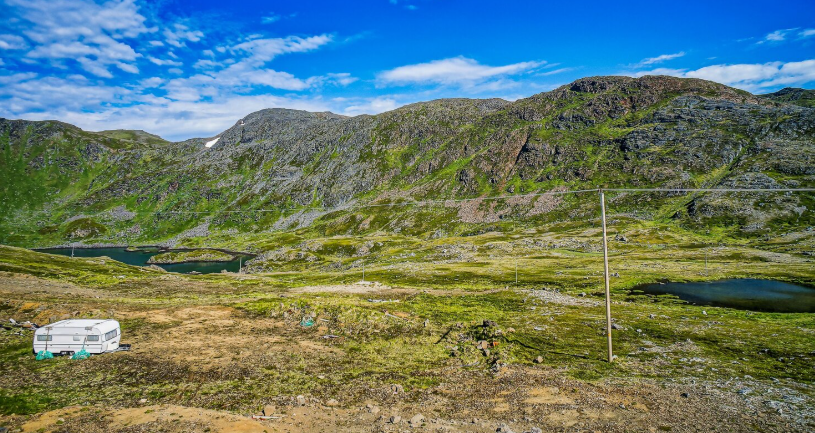
The Aravalli Range is one of the oldest mountain ranges in the world, and it is very important for keeping India’s ecosystem in balance. The Aravallis are a natural barrier against desertification, promote biodiversity, and help keep the climate stable. They cover numerous states. Even though this is important, the area still has serious environmental problems.
This makes us wonder: Are the government’s present policies and conservation efforts in the Aravalli Range enough?
Why the Aravalli Range Is Important for the Environment
The Aravalli Range is home to ecosystems that are very important for northern and western India. Some of the reasons why it is important are:
- Stopping the Thar Desert from growing
- Helping trees, animals, and the recharge of groundwater
- Controlling the quality of the air in adjacent cities
Keeping the climate stable
- Any damage to this range has a direct effect on farming, water availability, and people’s health.
- Big threats to the environment in the Aravalli Range
Even though the law protects them, the Aravallis confront many problems:
1️⃣ Mining that is against the law
Mining for stones and minerals without rules has led to widespread deforestation and land damage.
2️⃣ Urban Expansion
Protected areas have been encroached upon by fast construction, highways, and real estate development.
3️⃣ Loss of Biodiversity
Wildlife populations are going down, and forest ecosystems are being harmed because of habitat degradation.
4️⃣ Poor Enforcement
Even though there are laws, they aren’t always followed, which makes them less effective.
- Policies from the government to protect the Aravalli
- The government has taken a number of steps over the years to protect the Aravalli Range:
- The Supreme Court says no mining in protected regions
- Requirements for an Environmental Impact Assessment (EIA)
- Rules for the Forest Conservation Act
- Protection orders at the state level
- These regulations look good on paper, but they need to be enforced and watched closely to work.
Do current conservation efforts work?
There are policies in place, but their effects have been uneven.
✅ Good Results
- Reduced mining in certain protected zones
- Increased environmental awareness
- Intervention by the courts in major infractions
❌ Gaps that keep happening
- Land-use classification has holes in it.
- Agencies don’t work well together
- Not enough community interaction
- These loopholes make people worry about how long the conservation framework will last.
The role of communities and awareness
Conservation depends a lot on local communities. When people in the area are actively participating in protection measures, the results are far better. To protect the Aravallis, people need to learn about the environment, have jobs that don’t harm it, and get involved in their communities.
Avp Trends and other platforms like it assist attract attention to environmental concerns by getting people to talk about conservation, sustainability, and responsible development in an informed way.
What else needs to be done?
To make conservation efforts in the Aravalli Range stronger:
Make sure that current laws are followed better Keep an eye on unlawful activities via satellite monitoring. Encourage planting trees and restoring the environment Support conservation projects that are led by the community. Make ensuring that development approvals are clear. We need to find a balance between development and protecting the environment.
Questions and Answers on Aravalli Conservation
What is putting the Aravalli Range in danger?
Because of mining, urbanization, cutting down trees, and not enforcing environmental rules very well.
Are there laws that safeguard the Aravalli Range?
Yes, there are many environmental and legal regulations, but enforcing them is still hard.
Is it possible to fix the damage?
Partial recovery is feasible with strong policies, restoration initiatives, and public involvement.
Last Thoughts
Policies and conservation efforts of the government in the Aravalli Range show that they want to help, yet they are not adequate on their own. To protect this old ecology, there needs to be strong enforcement, community involvement, and planning that lasts.
It is important for India’s ecological and climatic future to protect the Aravallis.