
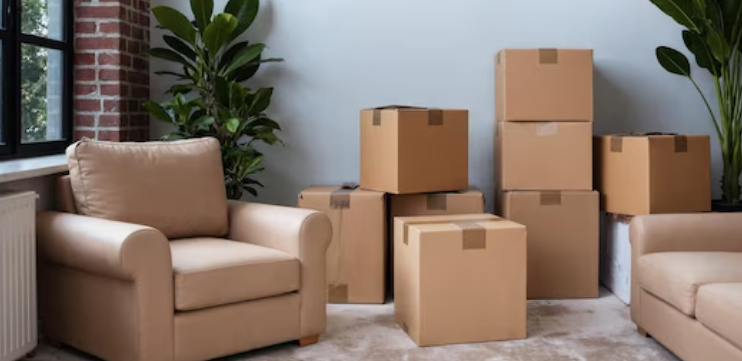
Most home moves don’t fall apart because of transport or timing. They become stressful much earlier—when packing starts without a clear plan. Drawers get emptied into the nearest box, clothes are folded in a hurry, and suddenly, nothing feels organised anymore.
The difference between a chaotic move and a manageable one often comes down to something simple: using the right moving boxes for the right things. It’s not about having more boxes, but about having the right ones from the start.
Why Does the Choice of Box Make Such a Difference?
At first glance, a box is just a box. But once packing begins, the differences become obvious. Some hold their shape when stacked, others don’t. Some make unpacking easier, others create confusion.
In relocation work, packing teams don’t treat all items the same. Books, clothes, and large items are handled differently because they behave differently during a move. Using the right cardboard boxes keeps everything more stable, especially when boxes are stacked or shifted in transit.
What Types of Boxes Are Actually Useful During a Move?
Standard Packing Cartons
These are the ones used the most, and for good reason. They’re straightforward and work for a wide range of items.
Good-quality cardboard boxes are often used for books, kitchenware, and smaller household items. When they’re filled properly—not overpacked—they’re easy to carry and stack without losing shape. In storage facilities, these are usually the first choice because they’re reliable.
Boxes for Hanging Clothes
Clothing can quickly turn into a problem if it’s packed without thought. Folding everything into regular cartons saves time initially but creates more work later.
That’s why wardrobe boxes are used in many moves. Clothes go in as they are, still on hangers. It keeps them organised and avoids the need to iron everything again at the other end. In larger moves, this approach is often chosen simply to save time.
Long and Awkward Items
Some belongings don’t fit neatly into standard cartons. Sports equipment is a good example—especially items that are long and slightly delicate.
Golf club boxes are designed for this kind of packing. They give longer items the space they need without forcing them into smaller cartons. This reduces the risk of bending or damage during transport.
Supporting Materials That Hold Everything Together
Even the right box won’t help if items are left loose inside it. Movement is what causes most damage during a move.
That’s where packaging materials come in. Paper fill, wrap, and simple cushioning help keep items from shifting. In packing environments, the goal isn’t to overprotect—it’s to stop movement altogether.
How Do You Decide Which Box to Use?
It usually becomes clear once items are grouped properly.
A few simple habits make a difference:
- Keep heavier items like books in smaller boxes
- Use larger cartons for lighter, bulkier items
- Avoid mixing completely different items together
In organised moves, packing often starts with sorting. Once everything is grouped, choosing the right box becomes much easier.
Does Using Better Boxes Actually Save Time?
It does, but not always in the way people expect. Packing might take a little longer when done properly, but unpacking becomes much quicker. Boxes are easier to identify, items are where they should be, and there’s less need to open everything just to find one thing.
Using clearly defined moving boxes also simplifies labelling, which helps when multiple rooms are involved.
What Are the Common Packing Mistakes to Avoid?
A few habits tend to cause the most trouble:
- Filling boxes too much, making them difficult to lift
- Leaving empty space inside, allowing items to shift
- Mixing unrelated items, which makes unpacking confusing
These aren’t complicated mistakes, but they add up quickly during a move. In professional packing setups, avoiding these is often considered more important than working quickly.
How Do Experienced Packers Keep Things Under Control?
People who handle moves regularly don’t rely on guesswork. They follow a steady approach that keeps everything predictable.
They usually:
- Use specific box types for specific items
- Pack one area at a time instead of jumping between rooms
- Keep materials close so the process doesn’t slow down
This is why professional moves tend to feel calmer. There is less backtracking and fewer last-minute adjustments.
Can the Right Materials Really Reduce Stress?
Yes, mainly because they remove uncertainty. When boxes hold their shape and items stay in place, there’s less to worry about during the move itself.
Using reliable packaging materials and well-chosen boxes helps keep everything more controlled. It also reduces the risk of damage, which often causes the most frustration.
Conclusion
A smoother move doesn’t come from doing more—it comes from doing things in a more organised way. The right mix of moving boxes, sturdy cardboard boxes, and practical options like wardrobe boxes and golf club boxes makes packing easier to manage. When supported by simple but effective packaging materials, the entire process becomes more predictable and far less stressful.