
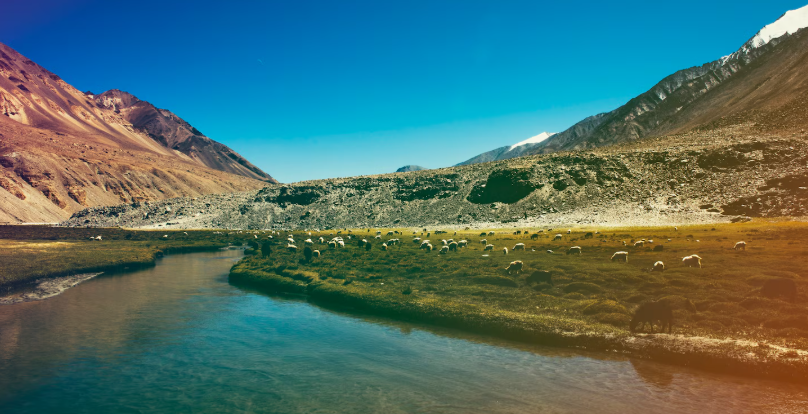
The Aravalli Range, one of the oldest mountain ranges in India, stretches across Rajasthan, Haryana, Gujarat, and Delhi. Known for its rich biodiversity, dense forests, and unique geological formations, the range plays a crucial role in maintaining ecological balance, preventing desertification, and supporting local communities. However, the Aravalli hills are now facing unprecedented challenges due to rapid urbanization and mining activities, threatening both its environment and heritage.
Urbanization Pressures
With India’s urban population growing at an exponential rate, cities surrounding the Aravalli Range, such as Gurgaon, Jaipur, and Delhi NCR, have expanded aggressively. Urban sprawl has led to illegal encroachments, deforestation, and destruction of natural habitats. Farmlands and forested areas have been converted into residential complexes, commercial hubs, and roads. This not only disrupts local ecosystems but also exacerbates environmental problems like air pollution, water scarcity, and soil erosion. Experts warn that if such unplanned urban growth continues, it could destabilize the entire region’s natural balance, threatening both human and wildlife populations.
Mining Threats
Mining activities, particularly marble, stone, and mineral extraction, are another significant threat to the Aravalli Range. Large-scale quarrying has left deep scars on the hills, causing soil degradation and loss of vegetation. Open-cast mines destroy habitats for endangered species and disturb the natural water channels, affecting groundwater recharge. Despite regulations, illegal mining continues in several parts of the range due to weak enforcement and high commercial demand. Studies indicate that such mining operations accelerate land degradation and increase the risk of landslides, further endangering nearby communities.
Environmental and Ecological Impacts
The combined effect of urbanization and mining has already manifested in loss of biodiversity and climate imbalance. Many native plant and animal species face habitat fragmentation, while air and water pollution rise due to industrial and construction activities. Additionally, the Aravalli hills act as a natural barrier against desertification from the Thar Desert. Encroachment and deforestation reduce this protective function, increasing the vulnerability of surrounding regions to extreme weather events.
Steps Toward Conservation
Conservation of the Aravalli Range requires collaborative action from the government, local communities, and environmental organizations. Strict enforcement of mining regulations, promotion of sustainable urban planning, and afforestation initiatives are essential. Awareness campaigns highlighting the ecological importance of the range can also empower local communities to protect their environment. Several NGOs are already working to restore degraded areas, planting native trees and safeguarding wildlife habitats.
Conclusion
The Aravalli Range is more than just a scenic landmark; it is a lifeline for millions of people and countless species. Its survival depends on balancing development with ecological preservation. Urgent action is needed to curb urbanization pressures and mining threats to ensure that future generations can continue to benefit from this vital natural resource. Protecting the Aravalli Range today is not just an environmental necessity—it is a responsibility to our future.