
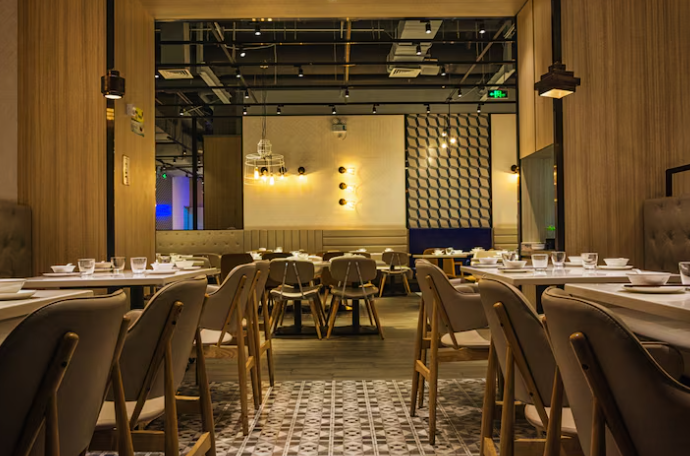
Great food is no longer sufficient in today’s eating scene to ensure a consistent stream of patrons, particularly in fiercely competitive areas where dozens or even hundreds of restaurants vie for patronage. Visibility is crucial, whether it’s in a busy city center, a well-liked tourist area, or a quickly expanding suburban food market. Empty tables, erratic foot traffic, and a large reliance on discounts or third-party delivery services are common problems for restaurants that don’t have a strong local presence.
Building a strong local presence means ensuring that when nearby customers search for places to eat, your restaurant consistently appears, stands out, and feels like the obvious choice. It is a combination of digital visibility, reputation management, branding, and community engagement. This article breaks down practical, modern strategies that restaurants can use to dominate their local market—even in highly saturated areas.
Understanding What “Local Presence” Really Means
Local presence is not just about being physically located in a busy area. Many restaurants sit in prime locations yet remain invisible online. In modern terms, local presence refers to how easily your restaurant can be discovered when someone nearby searches for food options. A restaurant SEO agency often focuses on improving this visibility by optimizing search presence, local listings, and online relevance so that nearby customers can actually find and choose your restaurant when they search.
It includes:
- Visibility on Google Search and Maps
- Strong online reviews and ratings
- Consistent business information across platforms
- Engagement with local customers online and offline
- A recognizable brand identity in your area
If your restaurant is not appearing in the “local pack” (the top map results shown by search engines), you are effectively invisible to most nearby searchers.
Step 1: Master Local Search Fundamentals
The foundation of local presence begins with search engine optimization tailored to location-based intent. Most diners don’t search for restaurant names—they search for intent-driven queries like:
- “best pasta near me”
- “family restaurants nearby”
- “romantic dinner spots in city”
To capture this traffic, your restaurant needs a well-optimized digital footprint.
Google Business Profile Optimization
Your Google Business Profile is one of the most powerful tools for local visibility. It should include:
- Accurate name, address, and phone number (NAP consistency is critical)
- Updated opening hours, including holidays
- High-quality photos of food, interiors, and ambiance
- Menu links or full menu upload
- Regular posts about offers, events, or specials
Restaurants that actively update their profiles tend to outperform competitors who treat it as a “set it and forget it” listing.
Category and Keyword Alignment
Choosing the right categories (e.g., Italian restaurant, fine dining restaurant, café) helps search engines correctly position your business. Misalignment here can reduce visibility significantly.
Step 2: Build a Reputation That Attracts Clicks
In competitive areas, ranking is only half the battle. The other half is convincing users to choose you. This is where reputation plays a decisive role.
Online Reviews Are Modern Word-of-Mouth
Most diners check reviews before making a decision. A restaurant with a 4.5-star rating and consistent feedback will almost always outperform a lower-rated competitor, even if that competitor ranks higher.
To build a strong review profile:
- Encourage satisfied customers to leave reviews
- Train staff to politely request feedback after dining
- Use QR codes on bills or tables linking directly to review pages
- Respond to every review, positive or negative
Responses show that the business is active and cares about customer experience.
Handling Negative Reviews Strategically
Negative reviews are inevitable, but how you respond matters more than the review itself. A calm, professional response can actually increase trust.
For example:
- Acknowledge the issue
- Avoid being defensive
- Offer a resolution if appropriate
- Show willingness to improve
This turns a potential weakness into a credibility signal.
Step 3: Create Hyper-Local Content That Builds Authority
Content marketing is not just for blogs and tech companies—it is highly effective for restaurants too, especially for building local authority.
What is Hyper-Local Content?
It is content specifically designed around your location and audience, such as:
- “Best places to dine after shopping in [area name]”
- “Top romantic dinner spots in [city district]”
- “Where to eat before/after local events”
This type of content helps search engines associate your restaurant with local intent-based searches.
Blogging for Restaurants
A simple blog on your website can significantly improve discoverability. Topics can include:
- Behind-the-scenes kitchen stories
- Chef introductions and signature dishes
- Seasonal menus and ingredient sourcing
- Local food culture stories
This builds both SEO value and emotional connection.
Step 4: Leverage Local Partnerships and Community Integration
Restaurants that integrate into their local ecosystem tend to grow faster than those that operate in isolation.
Collaborate with Nearby Businesses
Partner with:
- Hotels
- Event venues
- Cinemas
- Shopping centers
These collaborations can include discounts, joint promotions, or referral arrangements.
Participate in Community Events
Being present at local festivals, food fairs, or charity events builds recognition beyond digital platforms. Even small sponsorships or pop-up stalls can increase visibility significantly.
Step 5: Optimize for Mobile and “Near Me” Searches
A majority of restaurant searches now happen on mobile devices. People often search while they are already out or planning immediate visits.
To capture this traffic:
- Ensure your website loads quickly on mobile
- Include click-to-call buttons
- Add Google Maps integration
- Make menus easy to view on phones
Search engines prioritize mobile-friendly businesses in local rankings.
Step 6: Use Visual Branding to Stand Out
In crowded markets, visual identity can be a deciding factor. Customers often choose restaurants based on how appealing they look online.
Key Visual Elements:
- Professional food photography
- Consistent color scheme and branding
- Short videos of ambiance and dishes
- Social media visuals aligned with your real dining experience
Restaurants that invest in visual storytelling tend to see higher engagement and conversion rates.
Step 7: Social Media as a Local Discovery Tool
While social media is often seen as a branding tool, it also plays a major role in local discovery.
Platforms That Matter:
- Instagram for food visuals and reels
- Facebook for community engagement and events
- Google posts for search visibility enhancement
Effective Strategies:
- Post daily or frequent food visuals
- Share customer-generated content
- Highlight limited-time offers
- Use location tags consistently
Social media doesn’t just attract followers—it drives foot traffic when used correctly.
Step 8: Encourage Repeat Customers Through Digital Engagement
Winning a customer once is not enough in competitive areas. The real growth comes from repeat visits.
Strategies to Improve Retention:
- Loyalty programs (digital stamps or points)
- Email updates for special menus or events
- SMS alerts for exclusive offers
- Birthday or anniversary discounts
Repeat customers are more profitable and more likely to leave positive reviews.
Step 9: Monitor Performance and Adapt Regularly
A strong local presence is not static—it evolves based on data and competition.
Track:
- Google Business Profile insights
- Website traffic and keyword rankings
- Review trends
- Customer feedback patterns
If a competitor begins outperforming you, analyze why. It may be better photos, more reviews, or more frequent updates.
Step 10: Build a Distinct Identity That Competitors Cannot Copy
In saturated markets, differentiation is key. If your restaurant feels interchangeable with others, customers will choose based on convenience or price.
Ways to stand out:
- Signature dishes that cannot be easily replicated
- Unique dining themes or ambiance
- Strong storytelling around your brand
- Exceptional customer service culture
A strong identity turns your restaurant from “an option” into “the destination.”
Final Thoughts
Building a strong local presence in competitive areas is not about a single strategy—it is about combining multiple efforts into a consistent system. From optimizing your search visibility to building real-world community relationships, every action contributes to how easily customers can find and trust your restaurant.
Restaurants that succeed today are not necessarily the ones with the best food alone, but those that are easiest to discover, most trusted online, and most memorable in experience.
If you consistently improve your visibility, reputation, and engagement, your restaurant will not just survive in a competitive area—it will become one of the first choices customers think of when deciding where to eat.