
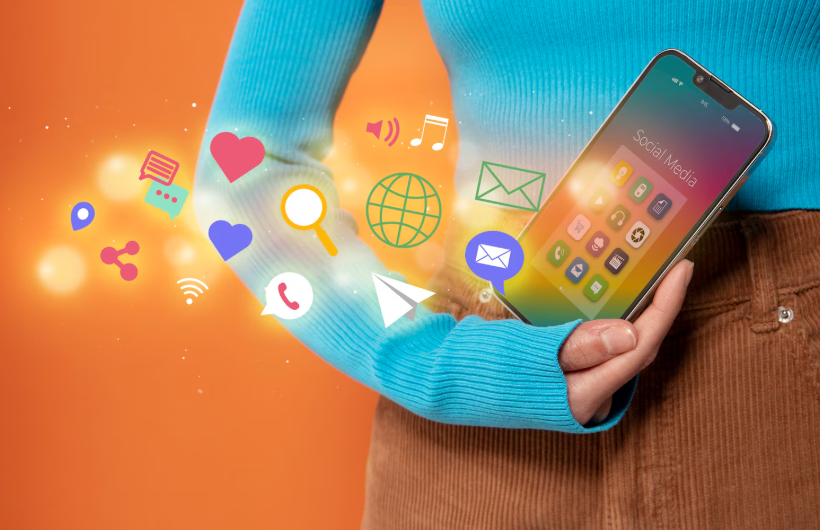
Digital media has completely transformed how people consume news. Information now spreads in real time through social media platforms, news websites, and mobile apps. While this instant access keeps people informed, it has also created serious challenges related to misinformation, fake news, and the speed of breaking news in the current information age.
Understanding these challenges is essential for building a more informed and responsible digital society.
The Rise of Digital Media in Modern News Consumption
Digital media allows news to reach millions of people within seconds. Unlike traditional print or television media, online platforms enable anyone to publish and share information instantly.
Key changes include:
Real-time news updates
User-generated content
Social media as a primary news source
24/7 breaking news cycles
While these changes increase accessibility, they also reduce the time available for verification.
What Is Misinformation?
Misinformation refers to false or misleading information shared without proper verification. It can spread unintentionally or deliberately and often gains traction during breaking news events.
Common sources of misinformation include:
Social media posts without credible sources
Sensational headlines designed for clicks
Edited images or videos taken out of context
Once misinformation spreads, correcting it becomes extremely difficult.
Why Breaking News Is Most Vulnerable to False Information
During breaking news situations, speed often takes priority over accuracy. News outlets and individuals rush to share updates, sometimes before facts are confirmed.
This leads to:
Incomplete or inaccurate reporting
Conflicting narratives
Public confusion and panic
The pressure to be “first” often compromises journalistic standards.
Role of Social Media in Spreading Misinformation
Social media platforms amplify content rapidly through likes, shares, and algorithms. Unfortunately, emotionally charged or sensational content spreads faster than verified facts.
Challenges include:
Lack of fact-checking before sharing
Algorithm-driven visibility
Echo chambers reinforcing false beliefs
This environment makes misinformation harder to control.
Impact of Misinformation on Society
The consequences of misinformation are serious and far-reaching:
Loss of public trust in media
Influence on political opinions
Social unrest and panic
Harm to individuals and organizations
In the long term, misinformation weakens democratic processes and informed decision-making.
Combating Misinformation in the Digital Age
Addressing misinformation requires collective effort from platforms, journalists, and readers.
✔ Media Literacy
Educating users to question sources, verify facts, and avoid sharing unverified content is crucial.
✔ Responsible Journalism
News organizations must prioritize accuracy over speed, especially during breaking news.
✔ Platform Accountability
Digital platforms must strengthen fact-checking systems and reduce the spread of false information.
The Future of Digital News Consumption
The future of digital media depends on trust, transparency, and technology. AI-based fact-checking, improved content moderation, and stronger editorial standards can help reduce misinformation.
Platforms like Avp Trends emphasize the importance of responsible digital journalism and informed content consumption in today’s fast-paced information environment.
FAQs – Digital Media & Misinformation
❓ Why does misinformation spread so fast online?
Because digital platforms prioritize engagement, and users often share content without verifying facts.
❓ How can readers avoid fake news?
By checking reliable sources, reading beyond headlines, and avoiding emotional sharing.
❓ Is breaking news always unreliable?
Not always, but early reports may lack full context and verification.
Final Thoughts
Digital media has made information more accessible than ever, but it has also increased the risk of misinformation—especially during breaking news events. Building a responsible information ecosystem requires awareness, critical thinking, and accountability from all stakeholders.
By promoting accuracy, media literacy, and ethical reporting, the digital information age can become more reliable and trustworthy.